The Story
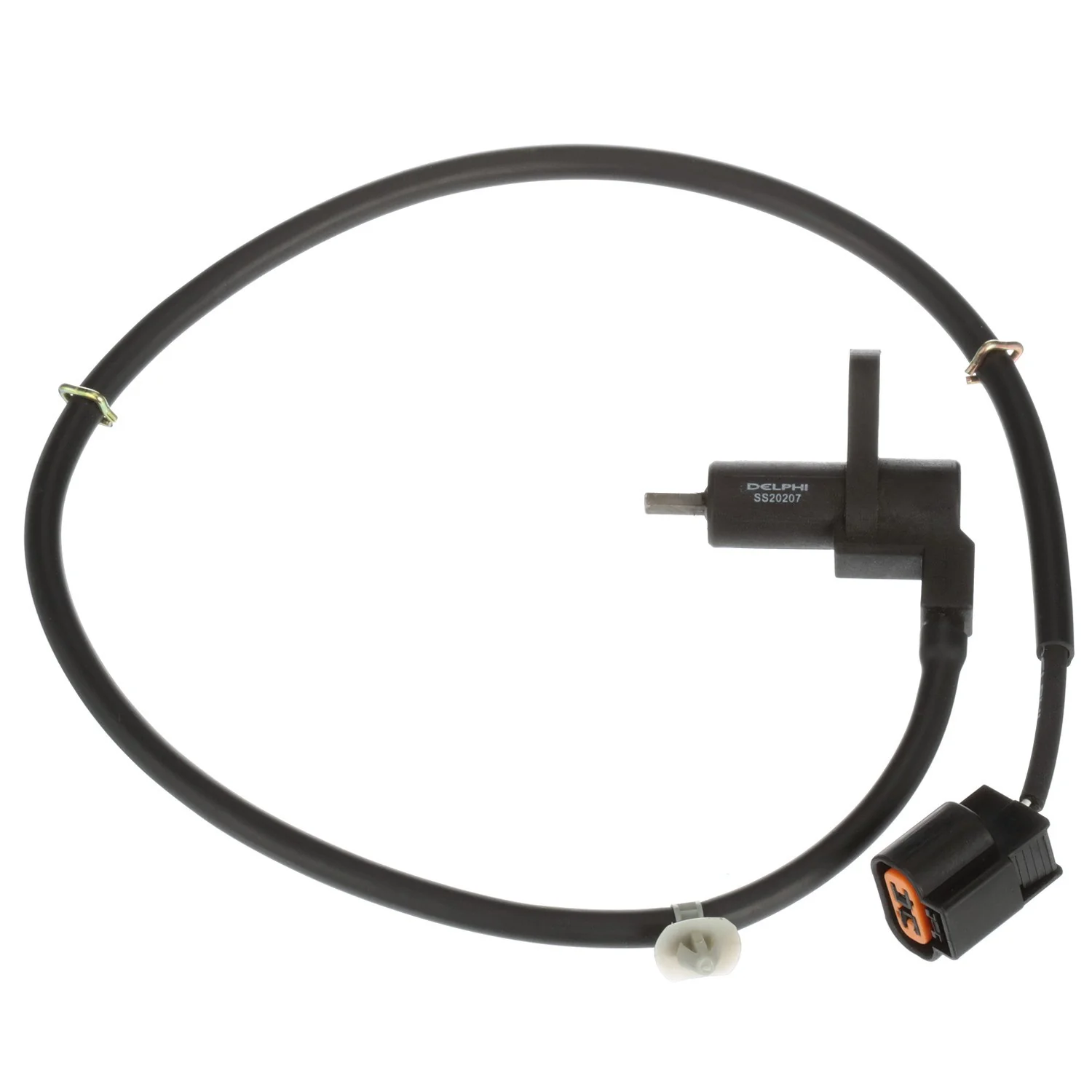
Delphi Rear Left ABS Wheel Speed Sensor
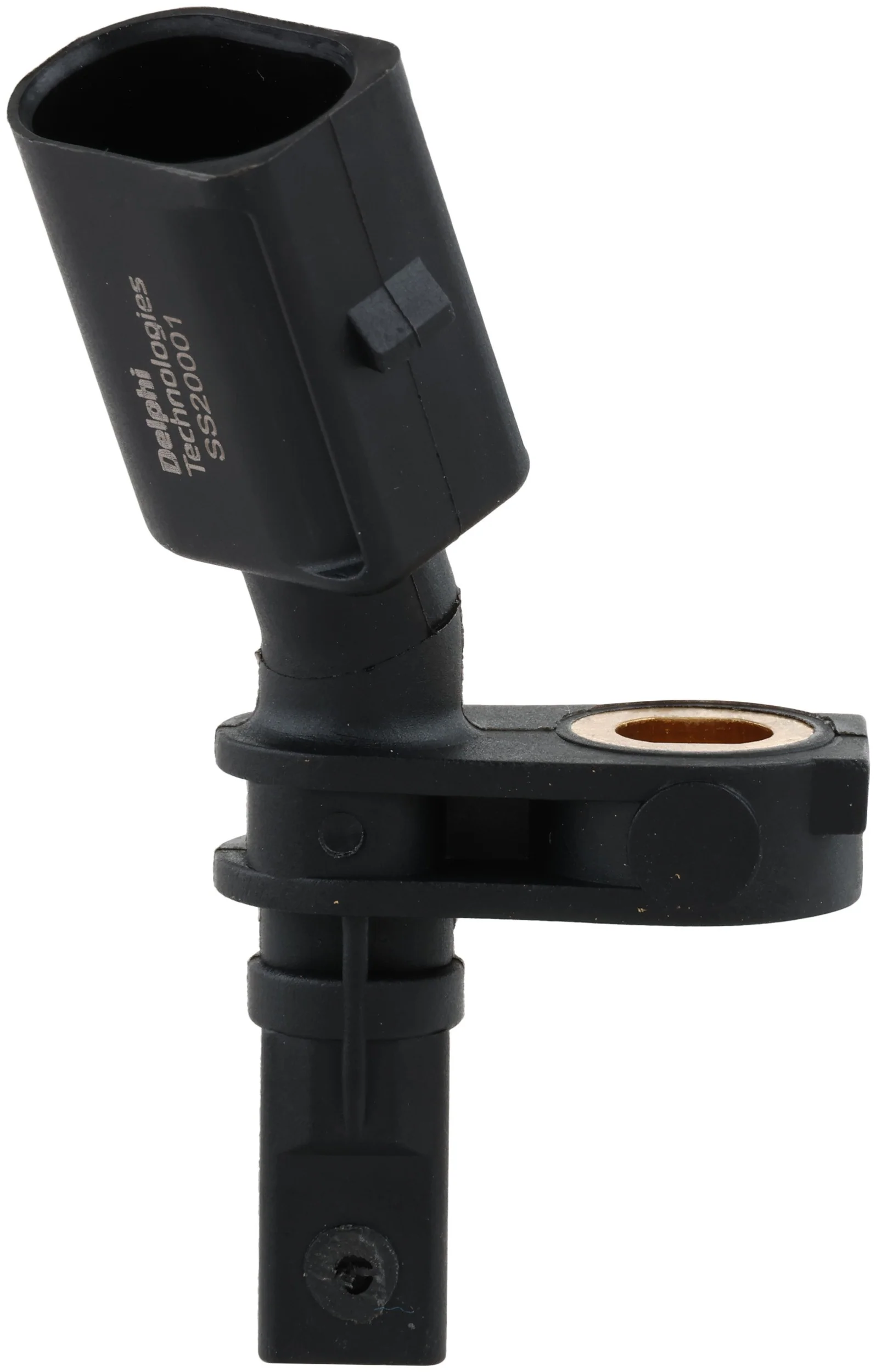
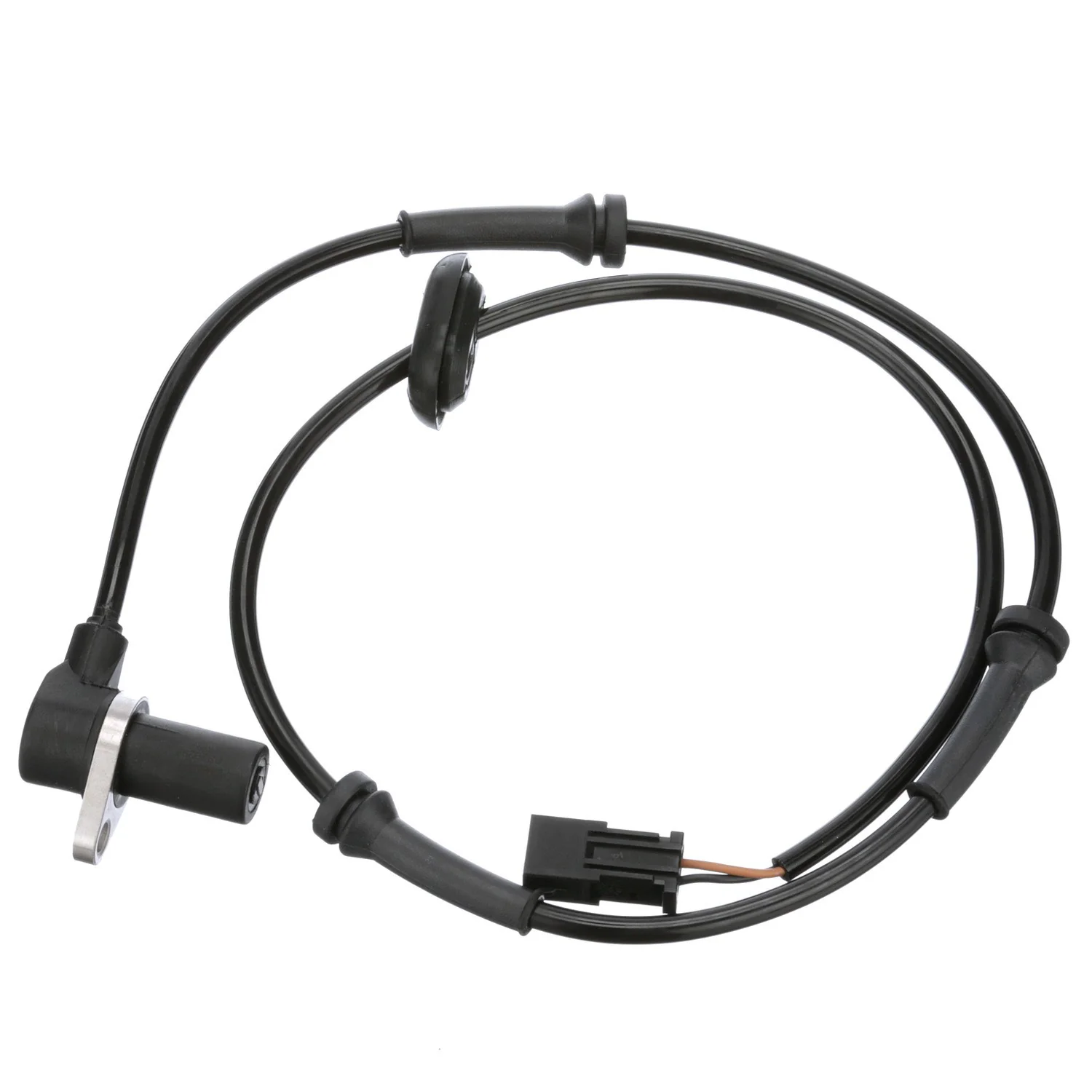
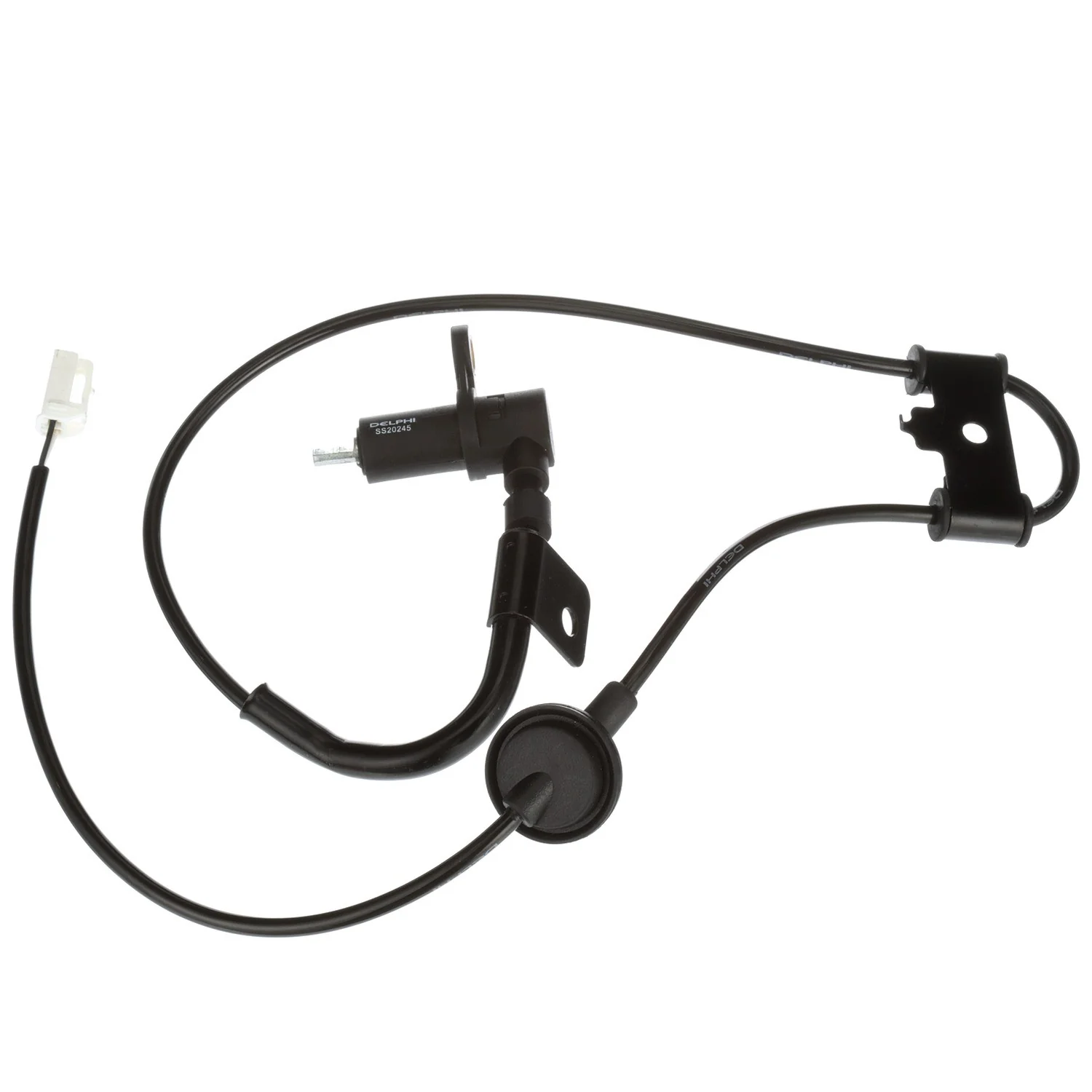
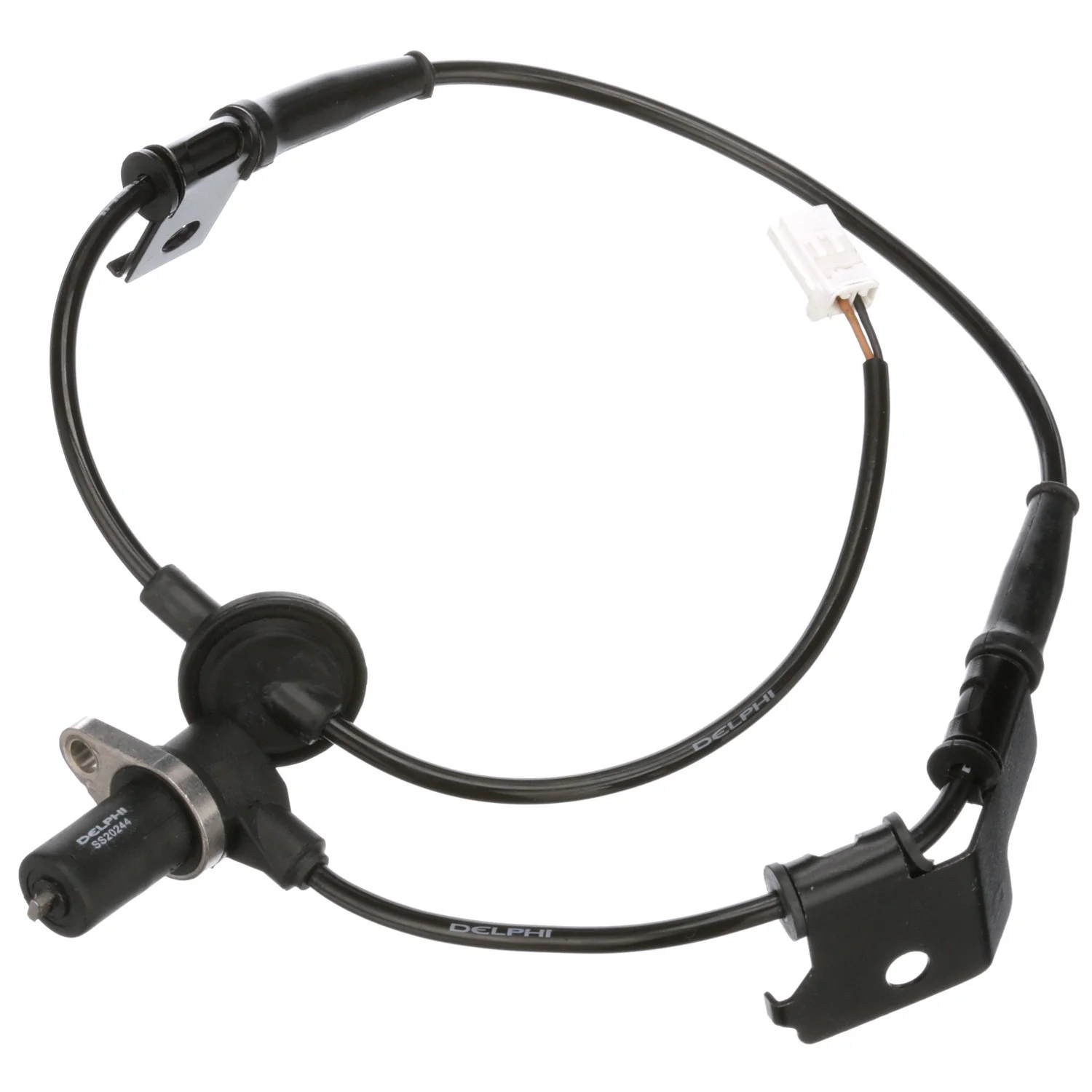
Delphi SS20951 is a rear left ABS wheel speed sensor built for accurate wheel speed signal input and reliable brake system monitoring. It is a direct-fit replacement for select Ford, Lincoln, and Mercury applications, including Fusion, MKZ, Milan, and Zephyr models.
Key Features
- ABS wheel speed sensor for the rear left position
- Pin terminal type with 2 terminals
- 1 female square connector
- Wiring harness included
- Package includes the ABS wheel speed sensor and instruction sheet
- OE-calibrated and tested to support accurate readings
Detailed Description
Delphi SS20951 is engineered for vehicles that rely on precise wheel speed data for ABS operation and related brake control functions. Delphi validates its sensors to OE standards, helping ensure consistent signal output and dependable performance. This part cross-references Standard Ignition ALS2371 for the same application. Compatible with 2010-2012 Ford Fusion, rear left; 2008-2012 Lincoln MKZ, rear left; 2006-2011 Mercury Milan, rear left; and 2006 Lincoln Zephyr, rear left. Delphi SS20951 is a practical replacement when the original rear left sensor is damaged, contaminated, or no longer sending a stable signal.
What It Helps Solve
- ABS warning light caused by a failed rear left wheel speed sensor
- Erratic or missing wheel speed signal data
- Brake system fault codes related to the rear left sensor circuit
- Traction control or stability system faults tied to wheel speed input
- Intermittent braking system alerts from sensor contamination or wear
Installation Notes and Tips
Verify connector shape, terminal count, and rear left position before installation. Inspect the tone ring, hub area, and wiring path for damage or corrosion before connecting the new sensor. Use the included instruction sheet and confirm the harness is routed away from moving suspension components.
Quality Assurance
Delphi sensors are developed with OE-focused validation methods and calibrated to OE standards for accurate readings. That process supports dependable signal output and helps reduce repeat repairs.
Description
Delphi Rear Left ABS Wheel Speed Sensor
Delphi SS20951 is a rear left ABS wheel speed sensor built for accurate wheel speed signal input and reliable brake system monitoring. It is a direct-fit replacement for select Ford, Lincoln, and Mercury applications, including Fusion, MKZ, Milan, and Zephyr models.
Key Features
- ABS wheel speed sensor for the rear left position
- Pin terminal type with 2 terminals
- 1 female square connector
- Wiring harness included
- Package includes the ABS wheel speed sensor and instruction sheet
- OE-calibrated and tested to support accurate readings
Detailed Description
Delphi SS20951 is engineered for vehicles that rely on precise wheel speed data for ABS operation and related brake control functions. Delphi validates its sensors to OE standards, helping ensure consistent signal output and dependable performance. This part cross-references Standard Ignition ALS2371 for the same application. Compatible with 2010-2012 Ford Fusion, rear left; 2008-2012 Lincoln MKZ, rear left; 2006-2011 Mercury Milan, rear left; and 2006 Lincoln Zephyr, rear left. Delphi SS20951 is a practical replacement when the original rear left sensor is damaged, contaminated, or no longer sending a stable signal.
What It Helps Solve
- ABS warning light caused by a failed rear left wheel speed sensor
- Erratic or missing wheel speed signal data
- Brake system fault codes related to the rear left sensor circuit
- Traction control or stability system faults tied to wheel speed input
- Intermittent braking system alerts from sensor contamination or wear
Installation Notes and Tips
Verify connector shape, terminal count, and rear left position before installation. Inspect the tone ring, hub area, and wiring path for damage or corrosion before connecting the new sensor. Use the included instruction sheet and confirm the harness is routed away from moving suspension components.
Quality Assurance
Delphi sensors are developed with OE-focused validation methods and calibrated to OE standards for accurate readings. That process supports dependable signal output and helps reduce repeat repairs.